
Comparisons
A comparison page puts two entities side by side using only facts we have sourced. Performance rows stay "not independently tested" until we run a test.
High-traffic comparisons: Haru-4B vs LFM3-Omni-2B, Inkling 2 Small vs DeepSeek-V4.1-Flash, PAN 2 vs LTX-2.5, MiniMax-H3-Image vs P-H3-Image, Underdog Woof vs Phonon, Arete-27B vs Qwen3.8-27B, Kimi K3.1 Pro vs Kimi K3, P-H3-Image vs FLUX 3 Image Klein, Hydrogen-1.0 vs Kimi K3, SenseNova-Loop-9B-Preview vs SenseNova 6.8 Code2Video, Audio8-TTS-Realistic-0.6B vs Qwen3-TTS, Qwen3.5-4B-3D-Coder vs Qwen3.8-27B, LFM3-1.7B vs LFM3-Omni-2B, Clover-35B-A3B-Preview vs Flint, Iris-3B vs Qwen-Image-2.1-Turbo, Mistral Large 4 vs Muse Spark Open, Pika H3 Flex vs SenseNova 6.8 Code2Video, Kanana-2 Embedding vs BGE-M3, PhotoCraft vs GIMP, FLUX 3 Image Klein vs Qwen-Image-2.1-Turbo, EmbeddingGemma 2 vs BGE-M3, LFM3 vs LFM2.5-24B-A2B, Nemotron 3.5 Transcribe vs Granite Speech 5.0, MiniCPM-OCR 1.0 vs Unlimited-OCR-2, Unlimited-OCR-2 vs DeepSeek-OCR, Hibiki-Zero vs Hy-SimulMT, Hy-SimulMT vs Granite Speech 5.0, Spark-X2.6-4B vs LFM2.5-24B-A2B, MiniMax M3.1 Flash vs DeepSeek-V4.1-Flash, GIMP vs Photoshop, PhotoCraft vs Photoshop, Krita vs Photoshop, darktable vs Lightroom, Stirling-PDF vs Acrobat, Plausible vs Google Analytics, Iris-3B vs Qwen-Image-2.1-Turbo. Other comparisons: Flint vs Ornith-1.5-122B, Sage-A1.5 vs Ornith-1.5-122B, Mammoth-1 vs Cloudflare Clef, DeepInfer vs vLLM, darktable vs RawTherapee, Plausible vs Umami, ComfyUI vs Midjourney, Fooocus vs Midjourney, Open WebUI vs ChatGPT, Continue vs Cursor, n8n vs Zapier, Cline vs OpenCursor, MOSS-Image vs Qwen-Image 2.1 Turbo. Related hubs: Photoshop, ChatGPT, Canva, Adobe Express, Slack, Lightroom, Adobe Acrobat, Google Analytics, Loom, Excel, Figma. Guides: install PhotoCraft, install GIMP, switch from Photoshop to GIMP.
Arete-27B vs Qwen3.8-27B: Which Should You Use?
Pick Arete-27B if you want Nous Research’s ungated Apache-2.0 supervised fine-tune of Qwen3.8-27B for value alignment (teacher Inkling; text-only SFT; pipeline_tag text-generation). Pick Qwen3.8-27B if you want Qwen’s starting 27B native VLM (image and video, 262K native context, LICENSE file, named SGLang/vLLM/TokenSpeed). Nous Propaganda_Eval / Hermes / Terminal-Bench rows stay vendor. We have no sourced bake-off.
Audio8-TTS-Realistic-0.6B vs Qwen3-TTS
Pick Audio8-TTS-Realistic-0.6B if you want Edge0’s ungated 0.6B DualAR checkpoint (23 languages, bundled 44.1 kHz codec, trust_remote_code). Pick Qwen3-TTS if you want Qwen’s Apache-2.0 12Hz family (CustomVoice, VoiceDesign, Base 0.6B/1.7B). They are not the same weights. Language lists differ. Vendor Seed-TTS tables stay vendor. We have no sourced bake-off.
Beam vs Muse Spark Open: Which Should You Use?
Pick Reflection Beam if you want ungated Apache-2.0 text-only weights (501.3B/23.4B, 1M context) aimed at coding and long-horizon agents, plus Mirror CLI. Pick Muse Spark Open if you accept a manual Hugging Face gate and the Muse Model License for a natively multimodal 816B/42B MoE (text+image+audio+video). We have no sourced head-to-head quality test.
Cline vs OpenCursor: Which Should You Use?
Pick Cline if you want an Apache-2.0 agent with VS Code, CLI, desktop, and SDK surfaces and a push on 2026-10-19. Pick OpenCursor if you want a MIT VS Code extension only (last push 2026-09-25). We have no sourced head-to-head coding-quality test.
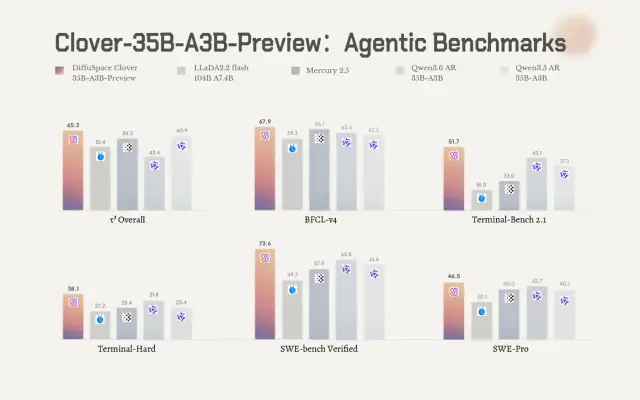
Clover-35B-A3B-Preview vs Flint
Pick Clover-35B-A3B-Preview if you want DiffuSpace’s Apache-2.0 text-only diffusion-language MoE (~35B / ~3B active, 128K) derived from Qwen3.6-35B-A3B with a published Transformers + official SGLang path. Pick Flint if you want Recursive’s from-scratch Apache-2.0 39.8B / ~2.5B coding-agent MoE with INT4 / GGUF siblings and an Ollama library tag. Hardware lines stay vendor. We have no sourced bake-off. There is no Qwen3.6-35B-A3B page on this site.
ComfyUI vs Midjourney (2026): Local Nodes or Hosted?
Pick ComfyUI if you want a GPL-3.0 node graph, local checkpoints, and a same-day 2026-10-19 push (v0.42.1). Pick Midjourney if you want a hosted prompt box and will pay for that service. We have no sourced image-quality bake-off.
Continue vs Cursor (2026): Read-Only Agent or IDE?
Continue’s README (2026-10-19) says the repo is no longer actively maintained and is read-only, with a final 2.0.0 release. Cursor is the commercial IDE. If you want an actively pushed open agent, use Cline or OpenCursor — not this pair as a “winner.”
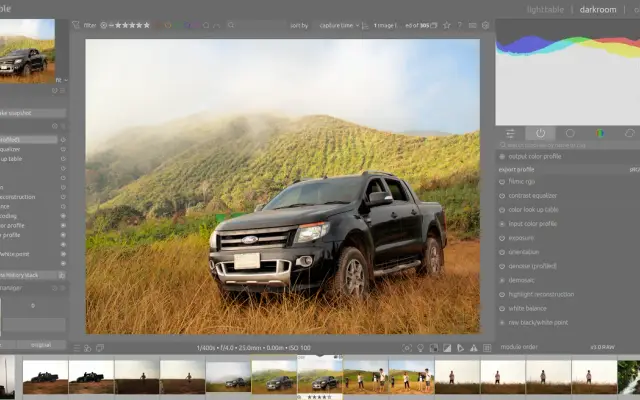
darktable vs Lightroom (2026): GPL Catalog or Creative Cloud?
Choose darktable 5.6.2 if you want a GPL virtual lighttable and non-destructive darkroom you can run locally. Choose Adobe Lightroom if you want the commercial Creative Cloud catalog (desktop, web, and mobile as Adobe markets it). Choose RawTherapee if the job is demosaic depth without a DAM. We have no sourced speed, color, or catalog-migration test.
darktable vs RawTherapee: Which Should You Use?
Choose darktable if you want a lighttable plus non-destructive darkroom (release 5.6.2, 13,300 stars). Choose RawTherapee if the job is demosaic and develop controls without a DAM (5.13, 4,242 stars). We have no sourced speed or quality test.
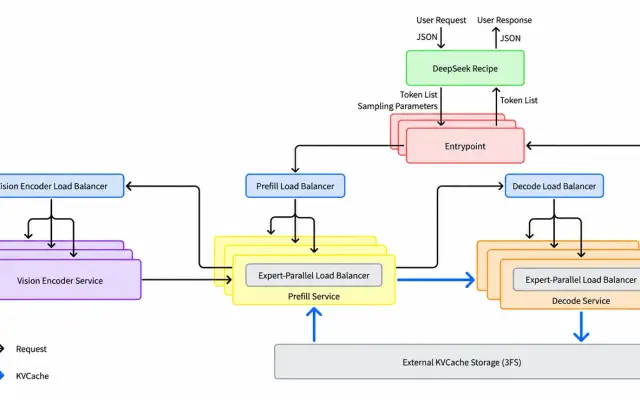
DeepInfer vs vLLM: Which Should You Use?
Choose DeepInfer if you want DeepSeek’s Apache-2.0 engine whose README lists DeepSeek-V4.1-Flash and defaults to the 1017 checkpoint (13,104 stars; no tagged release). Choose vLLM if you want a general Apache-2.0 server (94,459 stars, v0.32.0) with a named OpenAI-compatible API. DeepInfer’s README credits vLLM as its primary original base. We have no sourced speed test.
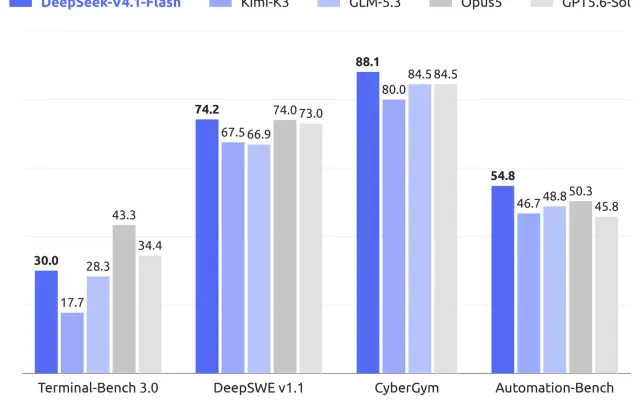
DeepSeek-V4.1-Flash vs Kimi K3: Which Should You Use?
Pick DeepSeek-V4.1-Flash-1017 if you want MIT ungated multimodal weights (552B backbone, 8B/16B active, 1M context) and the 17 October 2026 checkpoint. Pick Kimi K3 if you need a 2.8T/104B open-weight multimodal MoE and accept the Kimi K3 License (MaaS revenue threshold). Arena.ai Code Arena WebDev open-source #1 vs #2 (18 October 2026 snapshot) is a third-party leaderboard, not a forkalt ranking. We have no sourced bake-off.
Edge0-145B vs Qwen3.8-Flash-Next
Pick Edge0-145B if you want Edge0’s public NVFP4/Q3_K latent-MoE packs aimed at one RTX 5090-class card (card 145B/10.12B, dual Edge0 Community Model License 1.0 plus Qwen Community License 1.0; no public unquantized host in the 2026-11-15 check). Pick Qwen3.8-Flash-Next if you want Qwen’s ungated open-weight Qwen4-architecture preview (card 125B plus 51B n-gram plus 4B MTP, vision encoder, Qwen Community License 1.0 only). Edge0 names Flash-Next as technical origin and extends Strata with latent MoE support. That is not a partnership, endorsement, or extra authorization. We copy dated rows and do not invent a forkalt winner.
EmbeddingGemma 2 vs BGE-M3: Which to Use?
Use EmbeddingGemma 2 when you need an open multimodal embedding model (text, code, image, video, audio). Use BGE-M3 when you want a longer-listed multilingual embedding model under MIT. We quote no bake-off scores.
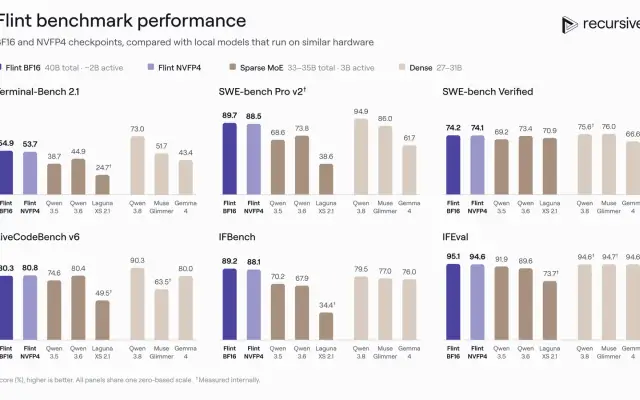
Flint vs Ornith-1.5-122B
Pick Flint if you want Recursive’s Apache-2.0 39.8B/2.5B from-scratch coding MoE with published INT4/GGUF siblings and an Ollama library tag. Pick Ornith-1.5-122B if you want a MIT 122B MoE the card says serves on one 80 GB GPU, with official vLLM/SGLang Qwen3 tool-call recipes. Hardware lines and all bench rows stay vendor. We have no sourced bake-off. Qwen3.5-35B-A3B is not a page on this site.
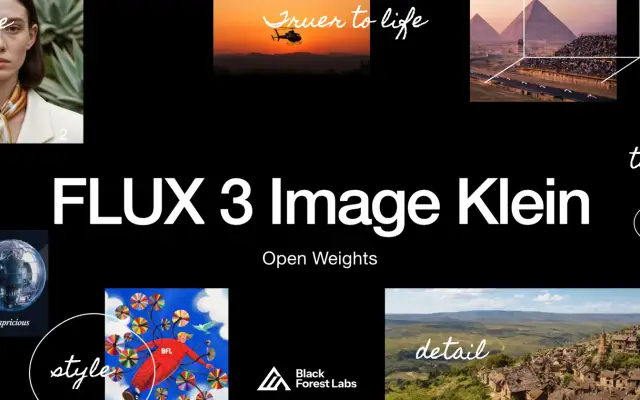
FLUX 3 Image Klein vs Qwen-Image-2.1-Turbo
Pick FLUX 3 Image Klein if you want Black Forest Labs' 5.6B distilled image transformer with documented ComfyUI/Diffusers support and the FLUX Kommunity License's <$5M commercial clause. Pick Qwen-Image-2.1-Turbo if you need the released Qwen accelerated T2I+editing checkpoint and accept the card's license label "other". We have no sourced side-by-side.
Fooocus vs Midjourney (2026): Prompt UI or Hosted?
Pick Fooocus if you want a prompt-first local GPL-3.0 UI and accept that the last GitHub push in our 2026-10-19 check is 2025-12-01. Pick Midjourney if you want a hosted service. For an actively pushed local engine, prefer ComfyUI. We have no quality bake-off.
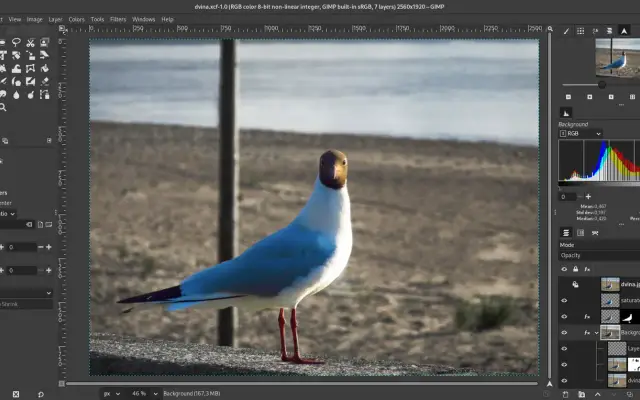
GIMP vs Photoshop (2026): Free Editor or Creative Cloud?
Choose GIMP 3.2.6 if you want a long-standing free GPL editor you can install from gimp.org this week. Choose Adobe Photoshop if you want the commercial Creative Cloud product and will pay for that suite. We have no sourced speed, quality, or plugin bake-off.
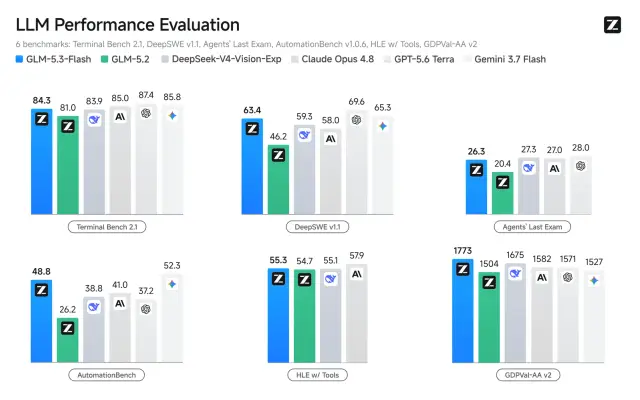
GLM-5.3-Flash vs DeepSeek-V4.1-Flash
Both publish ungated MIT multimodal weights with a 1M context figure. Pick DeepSeek-V4.1-Flash-1017 if you want the 552B-backbone / 8B-16B-active Flash family this site already identifies. Pick GLM-5.3-Flash if you want Z.ai’s 320B/18B GLM-5 multimodal MoE (image + video in). We have no sourced bake-off and we do not OCR scores out of GLM’s bench PNG.
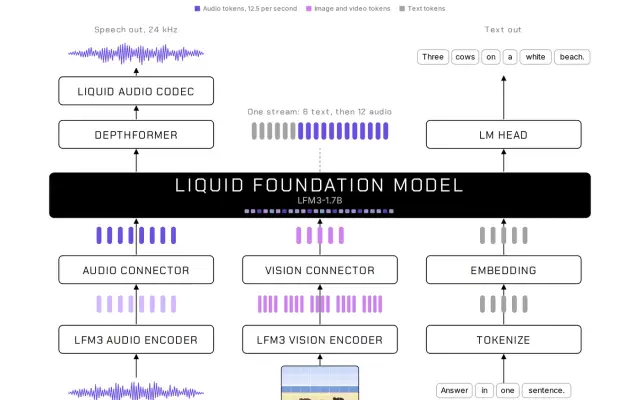
Haru-4B vs LFM3-Omni-2B
Pick Haru-4B if you want higurashi’s ungated Apache-2.0 native full-duplex spoken-dialogue base (7.5 Hz summed streams, continuous 64-d latents, Qwen3.5-4B text backbone; pretrained, not an assistant). Pick LFM3-Omni-2B if you want Liquid AI’s ungated LFM Open License v1.0 2.17B omni (text/image/video/audio in, text+speech out, 32K). They are both relatively small, local, open, and audio-capable. They are not the same product. We copy dated rows and do not invent a forkalt winner or a shared benchmark.
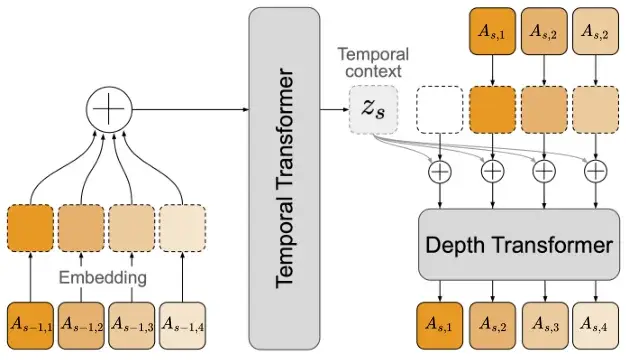
Hibiki-Zero vs Hy-SimulMT
Pick Hibiki-Zero if you want Kyutai’s ungated 3B streaming speech-to-speech stack for French, Spanish, Portuguese, or German into English (built-in voice transfer; weights CC-BY-NC-SA-4.0). Pick Hy-SimulMT if you want Tencent Hunyuan’s Apache-2.0 30B-A3B simultaneous Chinese–English stack (SimulInfer; optional TTS). Same job class, different pairs and licenses. Vendor tables stay self-reported. We have no sourced bake-off.
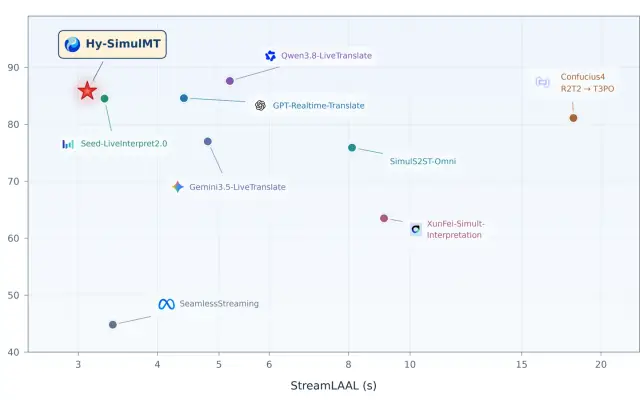
Hy-SimulMT vs Granite Speech 5.0
Pick Hy-SimulMT if you want Tencent Hunyuan’s ungated 30B-A3B simultaneous Chinese–English speech-to-speech stack (SimulInfer / streaming). Pick Granite Speech 5.0 if you want IBM’s Apache-2.0 ~2.3B file ASR/AST family (plus a speaker-attribution sibling). Different jobs. Vendor tables stay self-reported. We have no sourced bake-off.
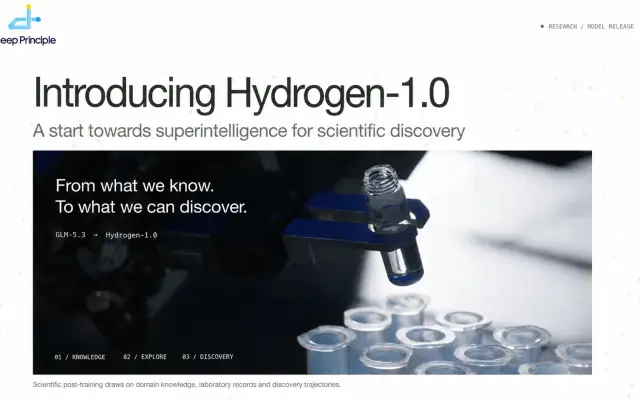
Hydrogen-1.0 vs Kimi K3: Which Should You Use?
Pick Hydrogen-1.0 if you want Deep Principle’s MIT scientific text MoE (753B, 1M / 128K max output) post-trained from GLM-5.3, and can accept a gated BF16 download (NVFP4/MXFP4 siblings were ungated on this check). Pick Kimi K3 if you want Moonshot’s ungated 2.8T/104B multimodal MoE and can accept the Kimi K3 License (MaaS revenue threshold). The blog’s FrontierScience-Research / GPQA-Diamond sentences stay vendor. We have no sourced bake-off.

Inkling 2 Small vs DeepSeek-V4.1-Flash
Pick Inkling 2 Small if you want Thinking Machines Lab’s ungated Apache-2.0 multimodal MoE (card 594B/17B, 1M context, NVFP4 named default, vendor 500GB aggregated VRAM). Pick DeepSeek-V4.1-Flash-1017 if you want DeepSeek’s ungated MIT 1017 checkpoint (552B backbone, 8B prefill / 16B decode, 1M context). The Inkling card already prints a vendor table that includes Flash-1017; we copy dated rows and do not invent a forkalt winner. MXFP8 is a sister checkpoint on the Inkling page, not a third URL.

Iris-3B vs Qwen-Image-2.1-Turbo
Pick Iris-3B if you want a small Apache-2.0 pixel-space checkpoint with an official 4-step Turbo. Pick Qwen-Image-2.1-Turbo if you need the released Qwen editing+T2I turbo weights and accept the card’s license label “other”. We have no sourced side-by-side quality test.
Kanana-2 Embedding vs BGE-M3
Pick Kanana-2 Embedding if you want Kakao’s 2026 KO/EN retrieval pair (3B 2560-d or 1.3B 1280-d, 4096-token input, MRL 1024/512/256/128) under the Kanana Open License. Pick BGE-M3 if you want BAAI’s longer-listed MIT multilingual text embedding already on this site. Card MTEB rows stay self-reported. We have no sourced bake-off.
Kimi K3.1 Pro vs Kimi K3: Which Should You Use?
Pick Kimi K3.1 Pro if you want Moonshot’s K3.1-series post-train (ungated 2.8T/104B multimodal MoE, 69 KDA + 24 Gated DSA, hosted id kimi-k3.1-pro) and can accept the Kimi K3.1-Pro License (MaaS revenue threshold). Pick Kimi K3 if you want the earlier ungated 2.8T card the K3.1 Pro README names as its base (69 KDA + 24 Gated MLA, hosted id kimi-k3, Kimi K3 License). Vendor “substantial improvements” sentences stay vendor. We have no sourced bake-off.

Krita vs GIMP: Which Should You Use?
Choose GIMP if you need a long-standing general photo editor. Choose Krita if your job is digital painting, comics, or concept art. We have no sourced benchmark that one is "better."
Krita vs Photoshop (2026): Painting Studio or Pixel Editor?
Choose Krita 5.3.4.1 if your job is digital painting, comics, or concept art and you want GPL software from krita.org. Choose Adobe Photoshop if you want the commercial Creative Cloud pixel editor. Choose GIMP if the job is general photo manipulation. We have no sourced speed or quality test.
LFM3-1.7B vs LFM3-Omni-2B
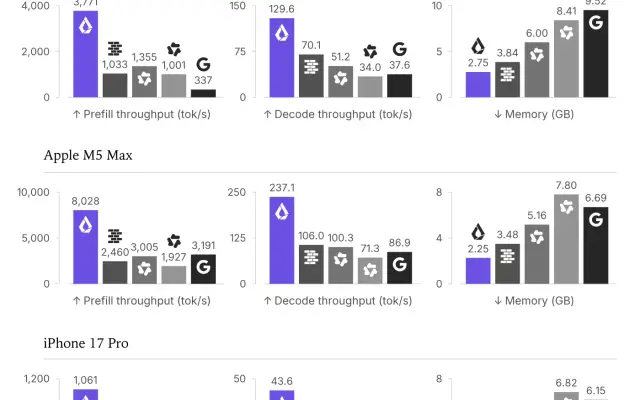
Pick LFM3-1.7B if you want Liquid AI’s text-only 1.73B / 256K edge card (GGUF already 129,608 downloads). Pick LFM3-Omni-2B if you need one checkpoint that takes text/image/video/audio and answers in text plus 24 kHz speech (32K). Same LFM Open License v1.0 (USD 10 million commercial-use threshold). They are siblings, not the same weights. Vendor benches stay vendor. We have no sourced bake-off.
LFM3 vs LFM2.5-24B-A2B
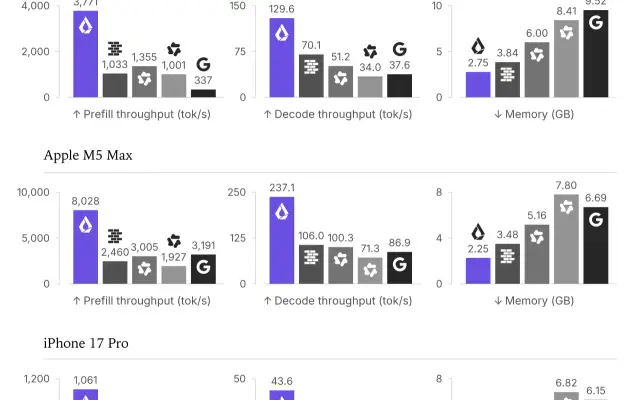
Pick LFM3 if you want Liquid AI’s October 2026 ~2B-class family (text 1.73B / 256K, plus VL, Audio, Omni, and d1 cards) on the new tri-hybrid backbone. Pick LFM2.5-24B-A2B if you want the existing 24.0B / 2.45B text MoE already documented here. Both use LFM Open License v1.0 (USD 10 million commercial-use threshold). They are different generations. Vendor benches stay vendor. We have no sourced bake-off.
LongCat-2.5 vs Kimi K3: Which Should You Use?
Pick LongCat-2.5 if you want Meituan’s ungated MIT native multimodal MoE (card 1.6T total / about 48B active; image-text-to-text; W4A4 documented on the same card). Pick Kimi K3 if you want Moonshot’s ungated 2.8T/104B multimodal MoE and accept the Kimi K3 License (MaaS revenue threshold). LongCat’s table columns that name kimi-k3 stay vendor. We have no sourced bake-off.

LTX-2.5 vs Drama-3
Pick LTX-2.5 if you want Lightricks' 8B latent video DiT (Apache-2.0) with documented 768×512@24fps / 121 frames, ComfyUI support, and BF16 ~16 GB VRAM. Pick Drama-3 if you need Vivid's 4B latent video transformer (Apache-2.0, smaller checkpoint). We have no sourced side-by-side quality test.
Mammoth-1 vs Cloudflare Clef
Pick Mammoth-1 (or the 9B Elephant-1 sibling on the same page) if you want Base Labs’ MIT-tagged Qwen3.5 decision pair with a System One / OneJev path and a 16,384-token card length. Pick Cloudflare Clef if you want the Apache-2.0 27B decision model already sourced on this site (Qwen3.8-27B post-train; text/JSON/image/video). Decision Index rows that name Clef stay vendor. We have no sourced bake-off.
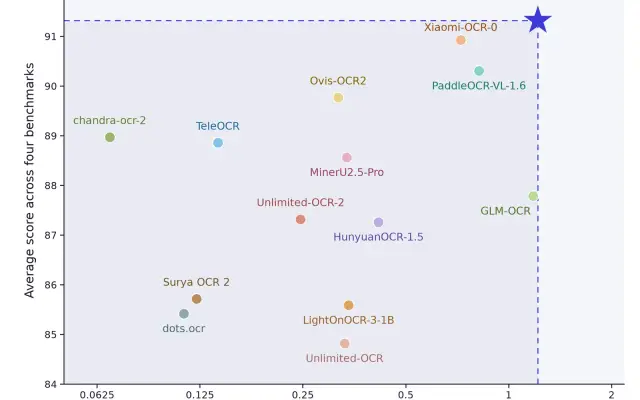
MiniCPM-OCR 1.0 vs Unlimited-OCR-2
Pick MiniCPM-OCR 1.0 if you want OpenBMB’s ungated Apache-2.0 ~1.3B OCR-specific MiniCPM-V/o card (zh/en; GitHub LICENSE file; SDK + layout model named). Pick Unlimited-OCR-2 if you want Baidu’s official ungated ~3.3B long-document card that names SR-SWA and a 131,072 config context (MIT tag; no LICENSE blob on 2026-10-28). Both are official org cards. Vendor benches stay vendor. We have no sourced bake-off.
MiniCPM-V 4.7 vs Iris-3B
These are different model classes. MiniCPM-V 4.7 is an 8B vision-language model (Apache-2.0) for image understanding and chat. Iris-3B is a 3B pixel-space text-to-image generator (Apache-2.0) with a 4-step Turbo. Pick based on your task: VLM chat versus image generation. No quality ranking across modalities.
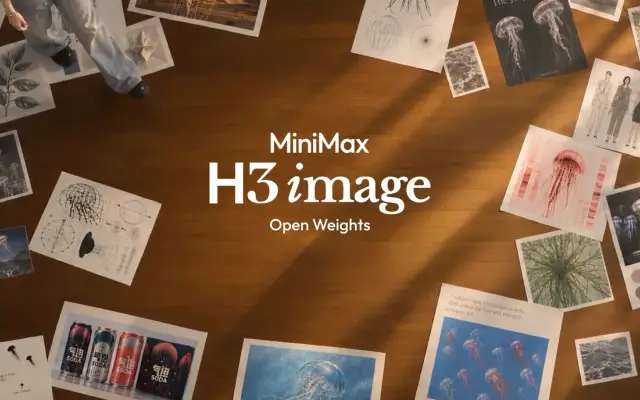
MiniMax-H3-Image vs P-H3-Image
Pick MiniMax-H3-Image if you want MiniMax’s official 16 MP, 6-step still-image checkpoint (T2I+edit, up to 16 refs) and can accept the MiniMax-H3-Image Community License (EU/UK/Korea/US excluded; USD 1 million annualized revenue or Hosted Service needs prior written authorization). Pick P-H3-Image if you want Pruna’s earlier 8-step, 8 MP MiniMax-H3 still-image pack with a documented Comfy 4-bit ~21 GB path under the older MiniMax H3 Community License (same geo exclusion; USD 20 million yearly-revenue trigger). P-H3-Image is not a quantization of MiniMax-H3-Image. We have no sourced bake-off.
MiniMax M3.1 Flash vs DeepSeek-V4.1-Flash
Pick DeepSeek-V4.1-Flash-1017 if you want ungated MIT multimodal weights (552B backbone, 8B/16B active, 1M context). Pick MiniMax M3.1 Flash if you want the MiniMax 428B/23B multimodal MoE and can accept the MiniMax Community License (attribution plus a USD 20 million yearly-revenue authorization trigger). MiniMax’s own card table versus Flash-1017 is self-reported, not a forkalt ranking. We have no sourced bake-off.
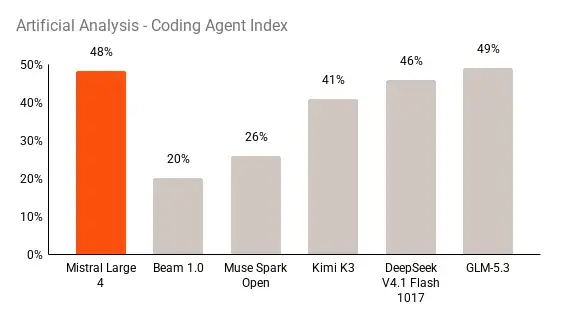
Mistral Large 4 vs Muse Spark Open
Pick Mistral Large 4 if you want ungated Mistral Ecosystem Open-Weight multimodal MoE weights (~1T total / 52B active including embeddings; text + image in; 1M context; FP8 + NVFP4). Pick Muse Spark Open if you accept a manual Hugging Face gate and the Muse Model License for Meta’s natively multimodal 816B/42B MoE (text + image + audio + video in). MaaS rules differ. We have no sourced bake-off.
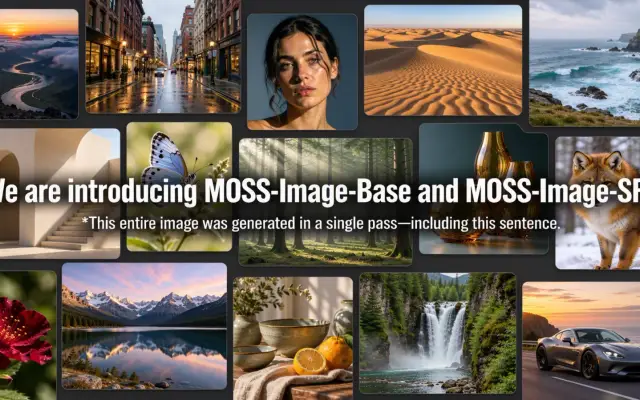
MOSS-Image vs Qwen-Image 2.1 Turbo
Pick MOSS-Image if you want ungated Apache-2.0 bilingual (en/zh) 5B text-to-image weights with Base and SFT cards. Pick Qwen-Image-2.1-Turbo if you want the accelerated Qwen editing plus T2I checkpoint and accept the Qwen Research License (non-commercial without a separate grant). We have no sourced side-by-side quality test.
Muse Spark Open vs DeepSeek-V4.1-Flash
Pick Muse Spark Open if you have datacenter VRAM (700 GB+ NVFP4 or 2 TB BF16) and need natively multimodal (text+image+audio+video) with 1M context under the Muse Model License's limited commercial terms. Pick DeepSeek-V4.1-Flash-1017 if you want ungated MIT multimodal weights (552B backbone, 8B/16B active, 1M context). We have no sourced head-to-head quality test.
n8n vs Zapier (2026): SUL Self-Host or Hosted?
n8n is a widely starred source-available automator (208,008 stars, [email protected], pushed 2026-10-19) under the Sustainable Use License — not OSI. Zapier is the commercial hosted product. If you need an OSI-approved core, use Activepieces (MIT) or Automatisch (AGPL-3.0) on the Zapier hub. No workflow-quality bake-off.
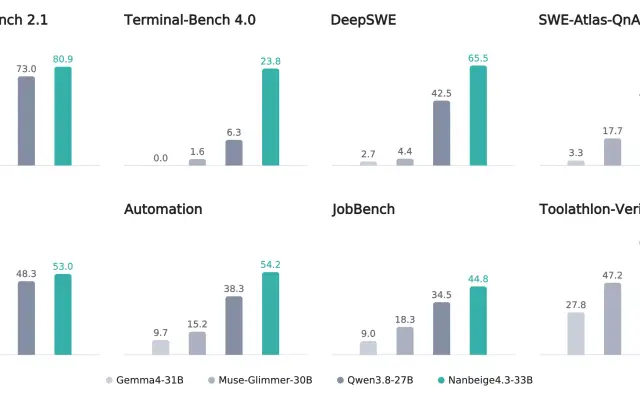
Nanbeige4.3-33B vs Qwen3.8-27B
Pick Nanbeige4.3-33B if you want Nanbeige / BOSS Zhipin’s ungated 33B text teacher with a documented 512K context and published vLLM/SGLang qwen3-parser flags. Pick Qwen3.8-27B if you want Qwen’s Apache-2.0 27B native VLM (image and video) with a LICENSE file on disk, 262K native context, and the larger Hub snapshot. Nanbeige’s official table names Qwen3.8-27B as the lead ~30B opponent; those rows stay vendor. We have no sourced bake-off.
Nemotron 3.5 Super VL vs Muse Spark Open: Which Should You Use?
Choose Nemotron 3.5 Super VL if you need ungated weights with commercial-friendly OpenMDW-1.1 license and smaller active-parameter count (12B vs 42B). Choose Muse Spark Open if you accept manual gating and revenue thresholds for larger-scale Meta MoE (816B total). We have no sourced speed or quality test between them.
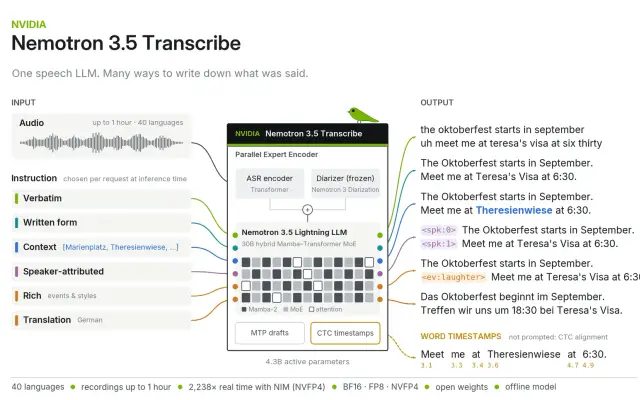
Nemotron 3.5 Transcribe vs Granite Speech 5.0
Pick Nemotron 3.5 Transcribe if you want NVIDIA’s ungated 30B-A4B offline speech SALM (OpenMDW-1.1; in-checkpoint speaker tags; 40-language card; vendor H100-class serve). Pick Granite Speech 5.0 if you want IBM’s Apache-2.0 ~2.3B file ASR/AST family (speaker tags on the 4.1-2B Plus sibling). Same job class (file transcription), different size and license. Vendor WER tables stay self-reported. We have no sourced bake-off.
Open WebUI vs ChatGPT (2026): Self-Host or Hosted?
Pick Open WebUI if you want a self-hosted chat shell (v0.12.3, 156,173 stars) in front of Ollama or OpenAI-compatible APIs and can accept the branding clause. Pick ChatGPT if you want OpenAI’s hosted product. We have no writing-quality bake-off.
Ornith-1.5-122B vs DeepSeek-V4.1-Flash
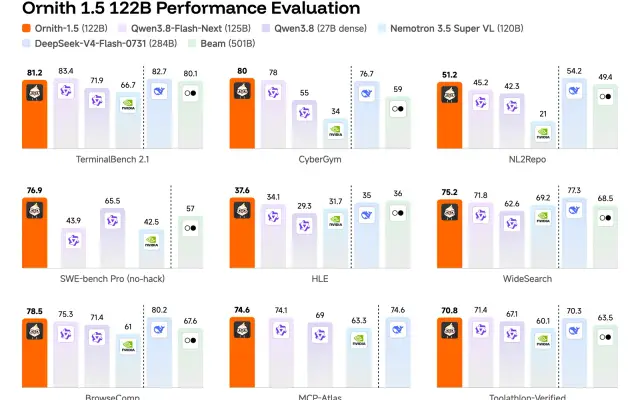
Pick Ornith-1.5-122B if you want a MIT 122B MoE the card says serves on one 80 GB GPU, with a 262k native context and published vLLM/SGLang tool-calling recipes. Pick DeepSeek-V4.1-Flash-1017 if you want DeepSeek’s MIT multimodal checkpoint (552B backbone, 1M context) and the official DeepInfer engine. Single-80GB and all bench rows stay vendor or third-party. We have no sourced bake-off.

P-H3-Image vs FLUX 3 Image Klein
Pick P-H3-Image if you want Pruna’s 8-step MiniMax-H3 still-image checkpoint (diffusers ModularPipeline + native ComfyUI; vendor 4-bit ~21 GB at 8 MP) and can accept the MiniMax H3 Community License’s EU/UK/Korea/US exclusion. Pick FLUX 3 Image Klein if you want Black Forest Labs’ 5.6B distilled image transformer with the FLUX Kommunity License’s <$5M commercial-output clause and documented RTX 3090-class recipes. We have no sourced bake-off.
PAN 2 vs LTX-2.5
Pick PAN 2 if you want an ungated Apache-2.0 IFM world model (IFM/PAN2) that simulates text-described actions as 704x1248 video up to 20 s (29B MMDiT backbone; conceptual LLM not in that repo). Pick LTX-2.5 if you want Lightricks’ gated 22B audio-video DiT under the LTX-2.x Community License (synced audio+video; $10M revenue clause). These are not the same job. Closer on-site world/video card: Hy-Nomas. We have no sourced bake-off.
PhotoCraft vs GIMP (2026): Which Should You Use?
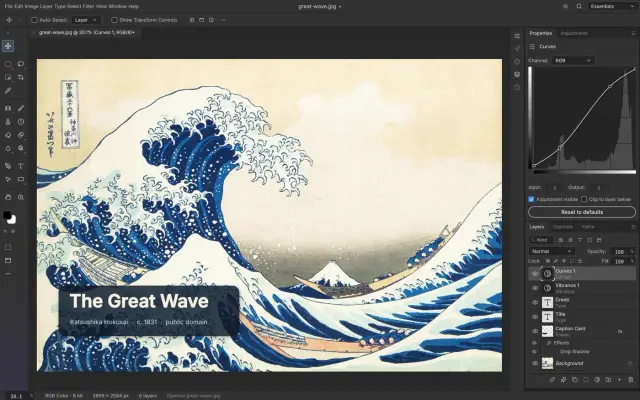
Choose GIMP 3.2.6 if you need a long-standing free editor today (non-destructive layers, GEGL filters, plugins). Choose PhotoCraft only if you accept early alpha and want a new pure-Rust PSD-aware codebase (v0.12.0). We have no sourced speed or quality test.
PhotoCraft vs Krita: Which Should You Use?
Choose Krita if you need a long-standing free painting app today. Choose PhotoCraft only if you accept early-alpha software and want a new pure-Rust codebase. We have no sourced speed or feature-parity test.
PhotoCraft vs Photoshop (2026): Alpha Rust or Subscription?
Choose Adobe Photoshop if you need the commercial Creative Cloud editor today. Choose PhotoCraft v0.12.0 only if you accept early alpha and want a pure-Rust, PSD-aware codebase (MIT OR Apache-2.0). The README still says it is not yet a daily professional Photoshop replacement. We have no sourced speed or quality test.
Pika H3 Flex vs SenseNova 6.8 Code2Video
Pick Pika H3 Flex if you want post-trained MiniMax H3 pixel/audio-video adapters with local 480p/768p (six-step; up to 12 references) and can accept the MiniMax H3 Community License (territory + USD 20M terms). Pick SenseNova 6.8 Code2Video if you want an Apache-2.0 27B checkpoint that writes code to render short motion graphics / explainers (not photorealistic footage). 4K and audio stems on the Pika side are hosted, not open weights. We have no sourced bake-off.
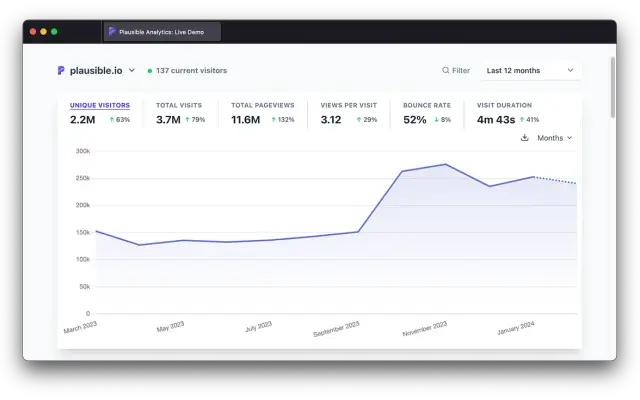
Plausible vs Google Analytics (2026): AGPL or GA4?
Choose Plausible v3.2.1 if you want an AGPL-3.0 cookie-free Elixir dashboard you can self-host. Choose Google Analytics if you want Google’s hosted GA4 product. Choose Umami for MIT/TypeScript, or Matomo for a GPL PHP stack. We have no sourced accuracy, privacy-audit, or performance test against GA4.
Plausible vs Umami: Which Should You Use?
Choose Plausible if you want the AGPL cookie-free Elixir dashboard (29,577 stars, v3.2.1). Choose Umami if you want MIT and a TypeScript tree (39,493 stars, v3.4.0). We have no sourced accuracy or performance test against each other or GA4.

Qwen3.5-4B-3D-Coder vs Qwen3.8-27B
Pick Qwen3.5-4B-3D-Coder if you want CCORE’s community 4B preview that writes Three.js scenes (GGUF + optional vision projector). Pick Qwen3.8-27B if you want Qwen’s official 27B native VLM (262K, SGLang/vLLM named). Both cards are Apache-2.0 and ungated. They are not the same weights and 3D-Coder is not an official Qwen release. We have no sourced bake-off.
Ripple-65B Preview vs Beam: Which Should You Use?
Pick Ripple-65B Preview if you want a smaller ungated Apache-2.0 dense 65B checkpoint (1M context, Ricursive instruct + NVFP4/base/DFlash2). Pick Reflection Beam if you want the 501.3B/23.4B sparse MoE plus Mirror CLI. Both cards aim at agentic coding. We have no sourced head-to-head quality test.
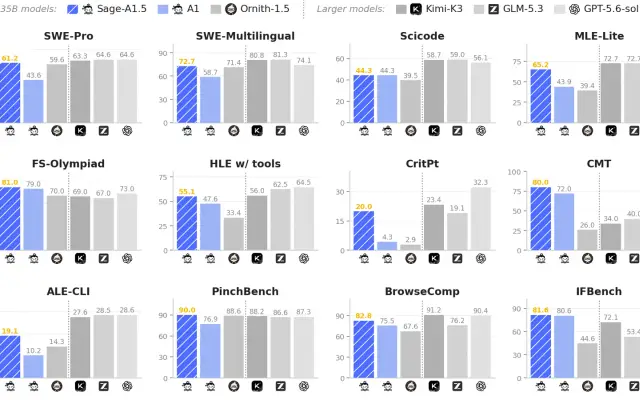
Sage-A1.5 vs Ornith-1.5-122B
Pick Sage-A1.5 if you want Shanghai AI Lab’s Apache-2.0 35B MoE VLM aimed at long-horizon science agents (orchestration + opt-in verification, 256K native). Pick Ornith-1.5-122B if you want a MIT 122B text coding/agent MoE the card says serves on one 80 GB GPU, with published vLLM/SGLang recipes. Sage’s card table includes an Ornith-1.5 column; those rows stay vendor. We have no sourced bake-off.
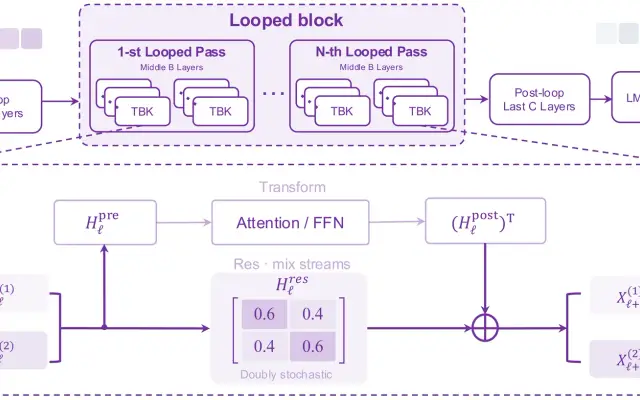
SenseNova-Loop-9B-Preview vs SenseNova 6.8 Code2Video
Pick SenseNova-Loop-9B-Preview if you want SenseTime’s Apache-2.0 ~9B looped multimodal chat/agent checkpoint (text+image in, text out, 256K training context, custom Transformers code). Pick SenseNova 6.8 Code2Video if you want the 27B Qwen3.8-27B fine-tune that writes code to render short motion graphics / explainers — not photorealistic footage. Same SenseNova family. We have no sourced bake-off. This pairing does not replace either entity page.
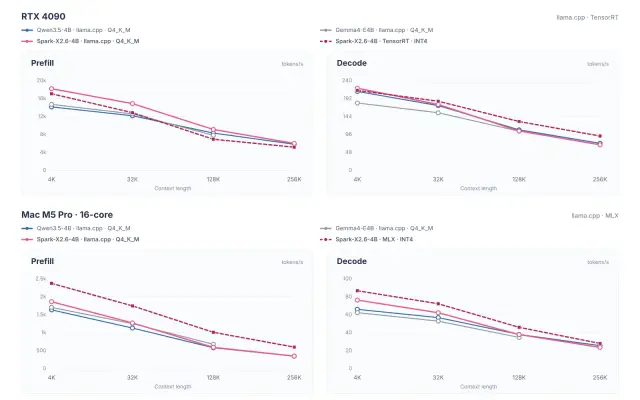
Spark-X2.6-4B vs LFM2.5-24B-A2B
Pick Spark-X2.6-4B if you want XHToken’s ungated Apache-2.0 ~4B dense on-device agent with a LICENSE file, 1M context in config.json, and first-party Ollama / llama.cpp / Transformers names. Pick LFM2.5-24B-A2B if you want Liquid AI’s 24.0B/2.45B on-device MoE with GGUF/MLX/ONNX siblings and can accept LFM Open License v1.0 (USD 10 million commercial-use threshold). Vendor benches stay vendor. We have no sourced bake-off. Qwen3.5-4B is not a page on this site.
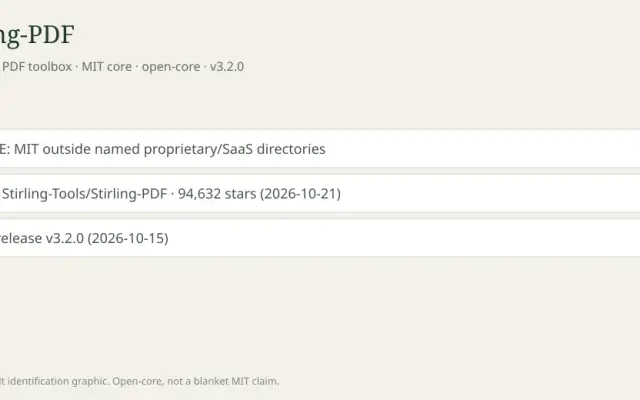
Stirling-PDF vs Acrobat (2026): Toolbox or PDF Suite?
Choose Stirling-PDF v3.2.0 if you want a self-hosted PDF toolbox whose core is MIT outside named proprietary directories. Choose Adobe Acrobat if you want the commercial PDF suite. Choose PDF Arranger for desktop page shuffle, or Okular to read and annotate. We have no sourced forms, e-sign, or OCR bake-off.
Underdog Woof vs Phonon: Which Should You Use?
Pick Underdog Woof if you want ConwayResearch’s ungated English on-device TTS (two-voice 40.6 MB numpy file; Underdog Non-Commercial License 1.0 — not Apache; commercial use needs a separate agreement). Pick Phonon if you want Gradium’s Rust ptts stack with Apache-2.0 31M English weights (40m packs are CC BY-NC). Vendor Gradium TTS Hard Cases rows stay vendor. We have no sourced bake-off.
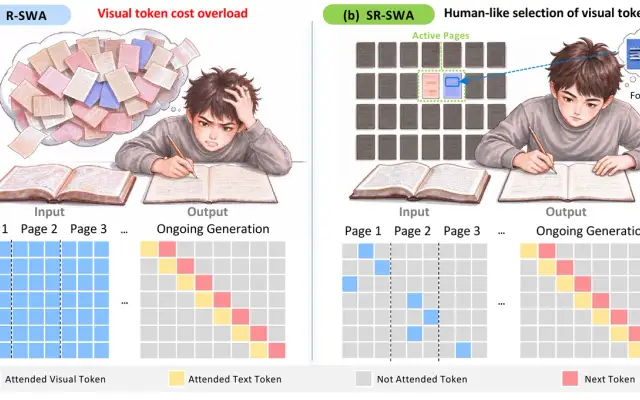
Unlimited-OCR-2 vs DeepSeek-OCR
Pick Unlimited-OCR-2 if you want Baidu’s official ungated card that names SR-SWA and a 131,072 config context for multi-page parsing (MIT tag; no LICENSE blob on 2026-10-28). Pick DeepSeek-OCR if you want DeepSeek’s MIT LICENSE file, a GitHub repo with 24,079 stars, and the older ~3.3B optical- compression card (config context 8,192). Both are official org cards, not community fine-tunes. Vendor benches stay vendor. We have no sourced bake-off.
ZONOS3-Mini vs Underdog Woof: Which Should You Use?
Pick ZONOS3-Mini if you want Zyphra’s ungated compact TTS with voice cloning (card 800M total / 100M active; Apache-2.0 on the HF card; WebGPU / GGUF / SGLang paths). Pick Underdog Woof if you want ConwayResearch’s 40.6 MB numpy English file (two voices; Underdog Non-Commercial License 1.0 — not Apache; commercial use needs a separate agreement). Vendor ZTTS2 and Gradium TTS Hard Cases rows stay vendor. We have no sourced bake-off.